Field note · glass
Glass in the tropics: where the sun is, what two panes do and which wall gets the view
A glass-fronted cabin is a showcase and a heat trap in one. In Thailand the sun is high, the afternoon is long and the air carries water, so three decisions matter more than the glass catalogue: which wall faces what, what the glazing is made of and how big the heater is.
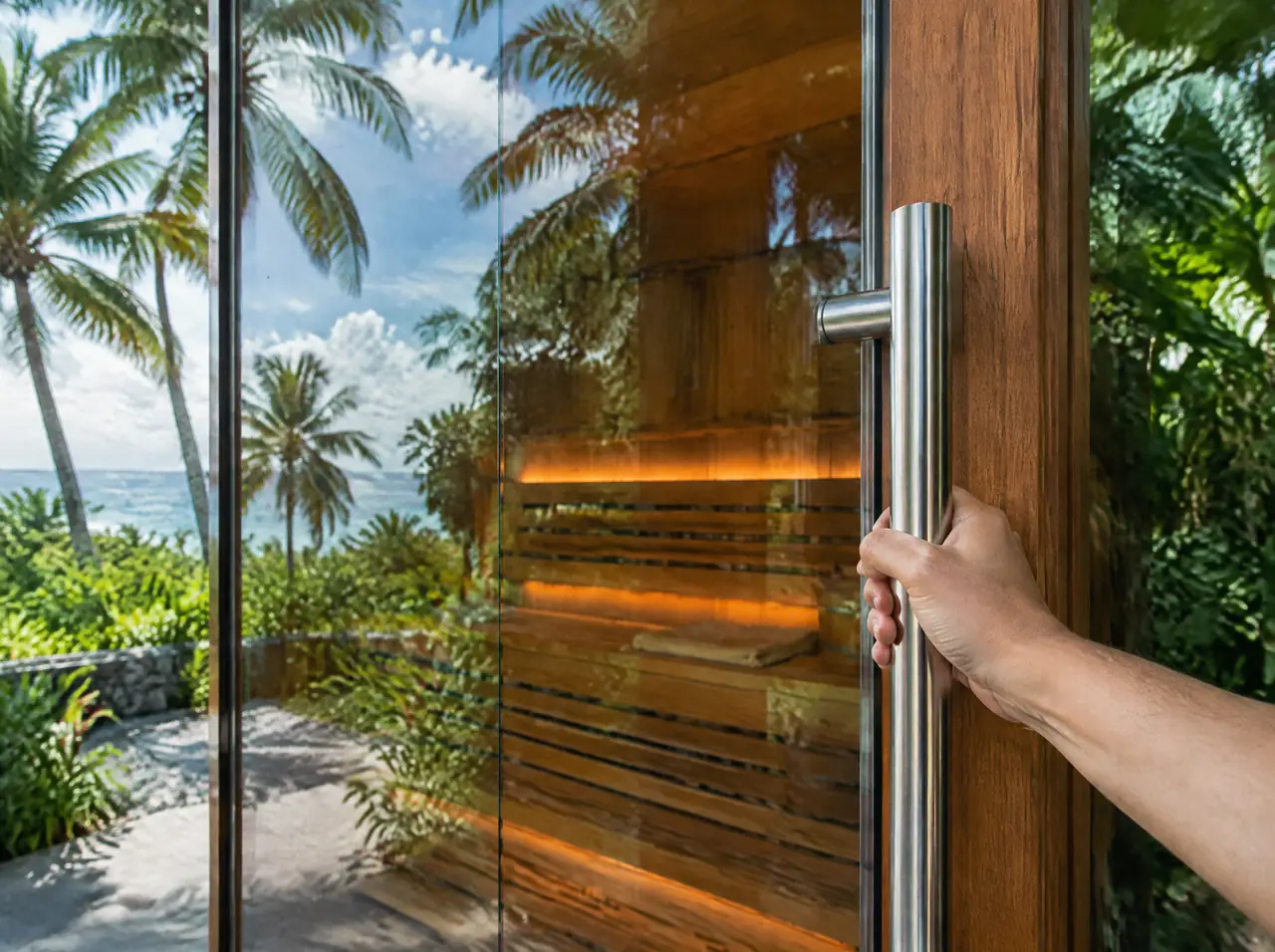
Where the sun is, in a country between 6 and 20 degrees north
Thailand's sun sits high all year, passing nearly overhead in the hot months and swinging south of overhead in the cool season. Two things follow. Glass facing north or south sees a high sun that a roof overhang can shade. Glass facing west meets the low afternoon sun that no horizontal overhang stops, so it needs louvres, a screen or a coating. East glass takes gentle morning sun and is the easiest to live with.
| Wall faces | What the sun does | What we do |
|---|---|---|
| West | low, hot afternoon sun straight onto the glass | solar-control double glazing, a slatted screen, or put the solid wall here |
| East | gentle morning sun, gone by ten | generous glass; light coating |
| North or south | high sun, shaded by an overhang of a metre or so | roof overhang plus standard double glazing |
| Under a tree or a roof | dappled light, little direct sun | single or double glazing by heater budget |
What two panes and a coating do
- Less heat out. Glass loses heat far faster than an insulated timber wall; two panes with an air gap cut that loss, so the heater is smaller and the cabin reaches 90-110 °C in about forty minutes.
- A comfortable outer face. The outer pane stays cooler to touch than a single hot pane would be.
- Less sun in. A solar-control coating on the outer pane reflects part of the sun's energy, which matters on any wall the afternoon reaches.
- Less condensation. On the cool side of a double unit, humid air has a warmer surface to meet.
Tempered, never ordinary
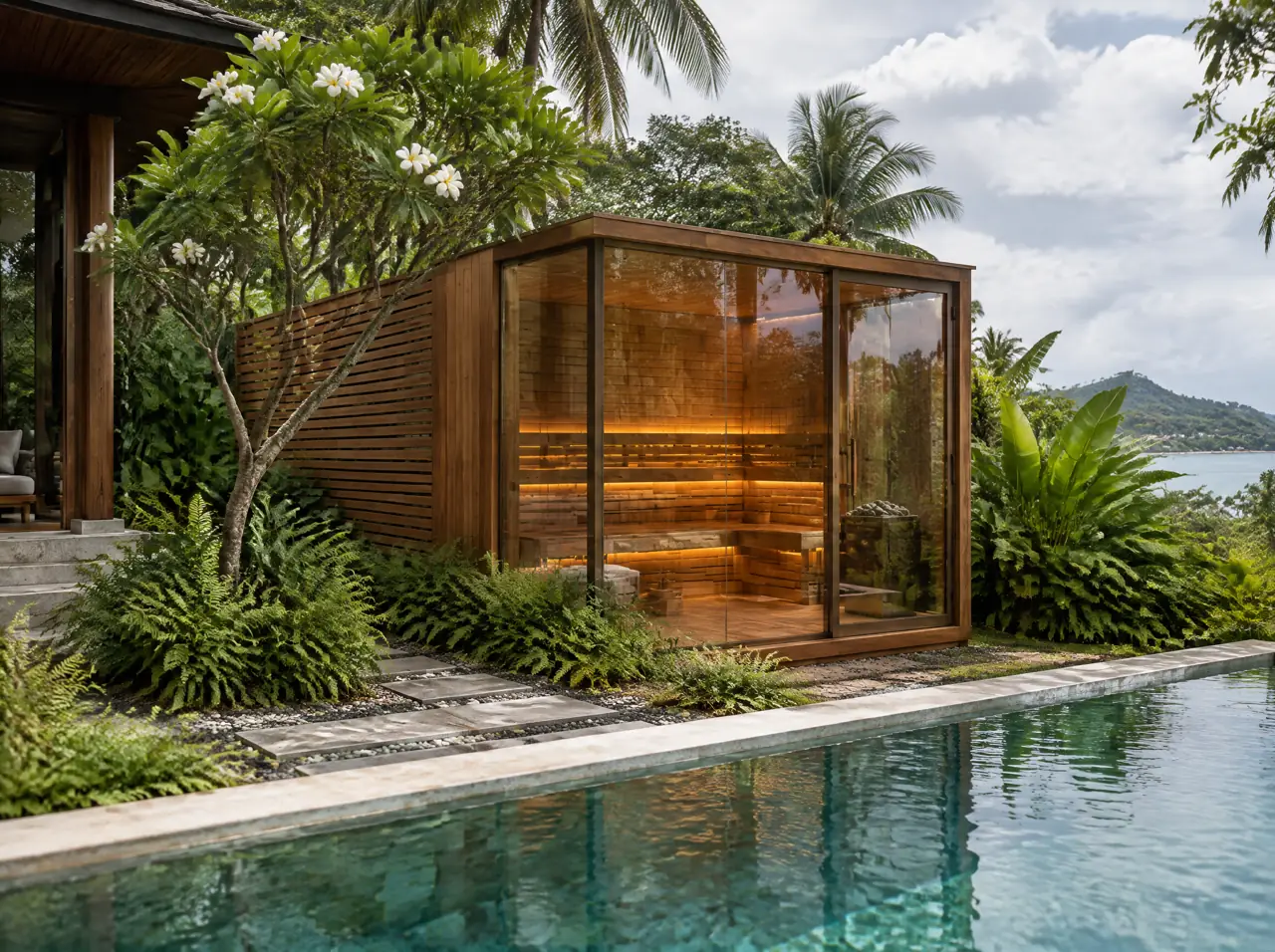
Cabin glass is thermally toughened (tempered) safety glass. The maker AGC describes toughened glass as about five times more resistant to thermal or mechanical shock than ordinary glass, made by heating it to roughly 700 °C and cooling it quickly, and one sauna-door maker lists 8 mm tempered glass as its standard (Thermory). If a tempered pane ever breaks it crumbles into small blunt pieces. We never use ordinary annealed glass in a cabin.
Humidity: what actually fogs, and when
Moist air condenses on any surface colder than its dew point, which in 32 °C air at 75 to 80 percent humidity is about 27 to 28 °C. The inside of a hot cabin is nowhere near that, so cabin glass is dry in use. Fog appears when a cool pane meets that humid air: the outside of single-glazed glass in an air-conditioned room, or the glass of a cabin that is switched off. Double glazing, a ventilated cabin and a door seal that closes keep it to a minimum; the dry sauna page covers cabins inside cooled rooms.
Glass costs heater power
Because glass loses heat quickly, a glass cabin needs a bigger heater than a solid one of the same volume. We size heaters at about one kilowatt per cubic metre plus an allowance for each square metre of glass; an undersized heater is the commonest reason a glass cabin never feels properly hot. The sizes are in the glass sauna page, the power questions in sauna power in Thailand.
Frames, seals and a salt wipe
Frames are slim dark metal with stainless hardware; junctions are sealed so rain never sits against the glass; the base is raised. Near the sea, salt dries on the glass after storms and leaves a film, so a fresh-water wipe keeps it clear. Hinges and handles are stainless for the same reason.
A lit cabin at night is a lantern
Warm light through glass looks wonderful from inside the garden and from the neighbour's terrace alike. Low bench lighting, warm colour temperature and a blind side toward the boundary keep the cabin a lantern for your guests, not a stage for everyone else. Where the plot is overlooked, a teak slat screen or planting on the neighbour's face does the job a curtain would, and the sight lines are drawn in the 3D layout before the glass is ordered.
A cabin with glass inside an air-conditioned room
Most indoor cabins in Thailand stand in rooms cooled to 24-26 °C. The glass front then separates a 90 °C box from cooled air, with humid tropical air waiting to condense on any cool face. Double glazing, a ventilated cabin with its own exhaust duct and a door seal that closes keep that in check; the cabin's insulation and vapour barrier sit behind the timber, not in front of the glass.
Six questions to ask about any glass sauna
- Is the glass thermally toughened (tempered), and does the supplier state the standard? Toughened safety glass is commonly marked to EN 12150-1.
- What thickness? Eight millimetres is the common choice for sauna doors (one door maker's standard); ask what each wall uses.
- Single or double glazed, and with what coating, on each wall? The answer should differ by orientation.
- Which way does the door swing? Outward, with a handle that works when wet.
- What is the heater sized for? Ask for the cabin volume, the glass area and the heater kilowatts.
- What happens in a storm? Frames sealed, base raised, drainage away from the glass.
Which wall should be solid in a glass sauna in Thailand?
Usually the west wall, or the one facing a neighbour. Put the glass where the view is and the sun is gentlest, and take the other faces in teak slats or a solid wall.
Is double glazing worth the extra cost?
On any wall the afternoon reaches, yes: it cuts heater power, keeps the outer face comfortable and reduces condensation. On a shaded wall under a roof, single tempered glass can be enough.
Can the glass crack from the temperature difference?
Tempered glass is about five times more resistant to thermal shock than ordinary glass (AGC), and cabin glass is specified and installed with correct edge gaps and frames. Cracking is rare when the glass is tempered and fitted properly.
Does a glass cabin work in a rainstorm?
Yes. The cabin heats in about forty minutes in rain too; a roof edge, sealed frames and a drained base keep the water away from the glass.
More field notes
Next in the field notes
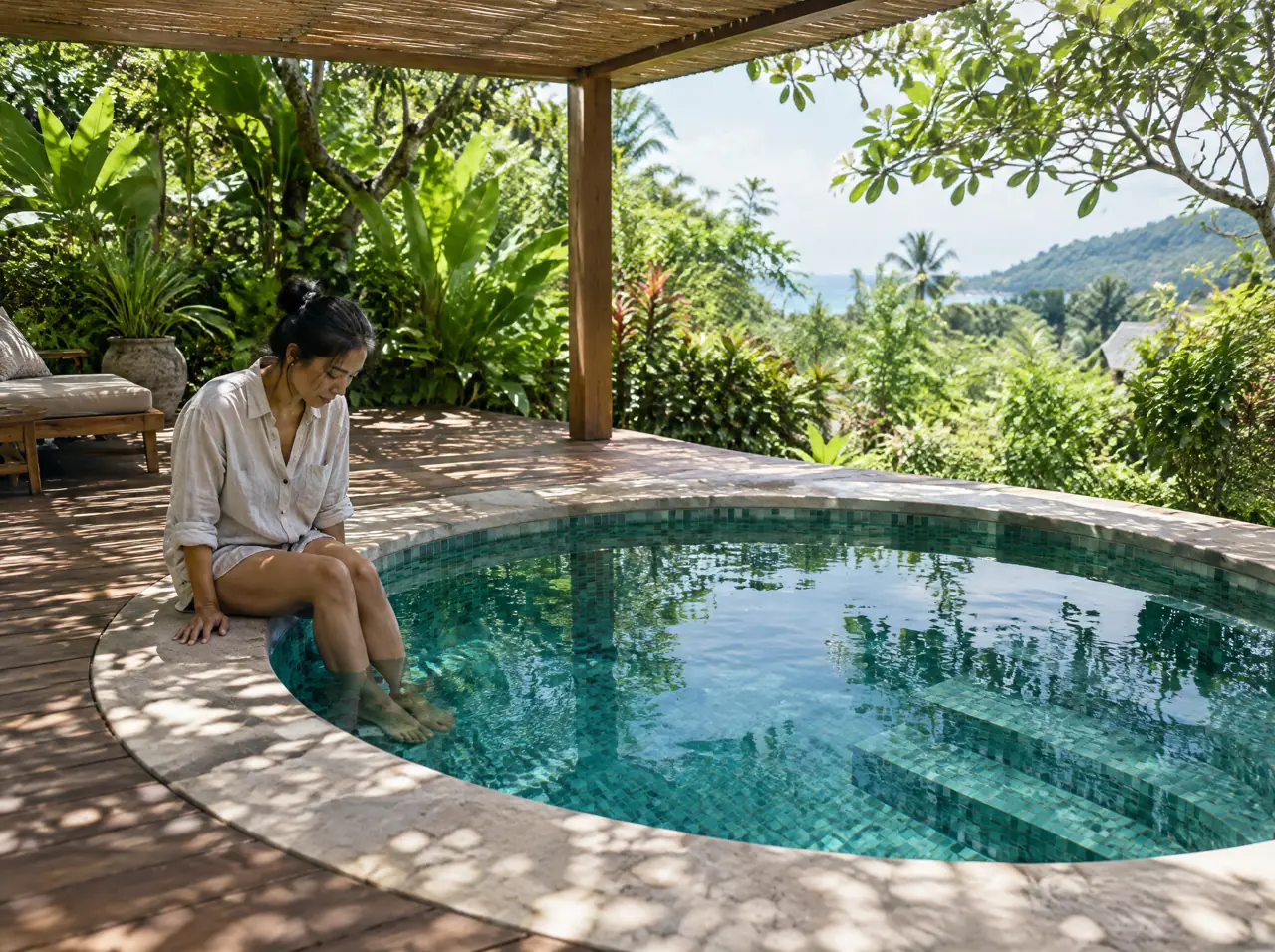
Cold plunge in Phuket
Four heat sources, the dew point, the enclosure and a permit checklist for a Phuket plunge pool, with prices.
Look closer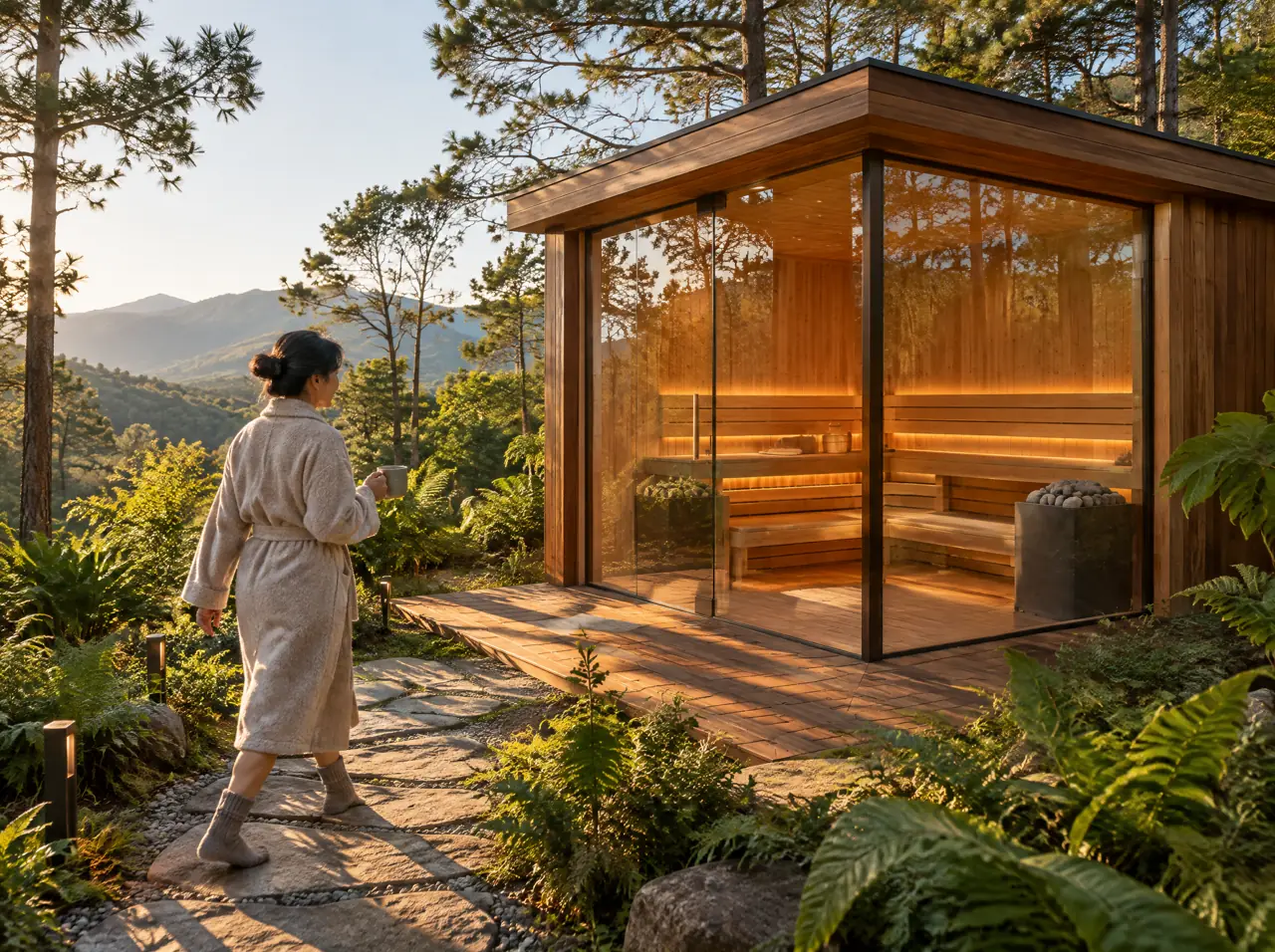
Chiang Mai cool-season sauna
How cool mornings raise a cabin's heat loss, what allowance the heater gets and how the same circuit works in April.
Look closer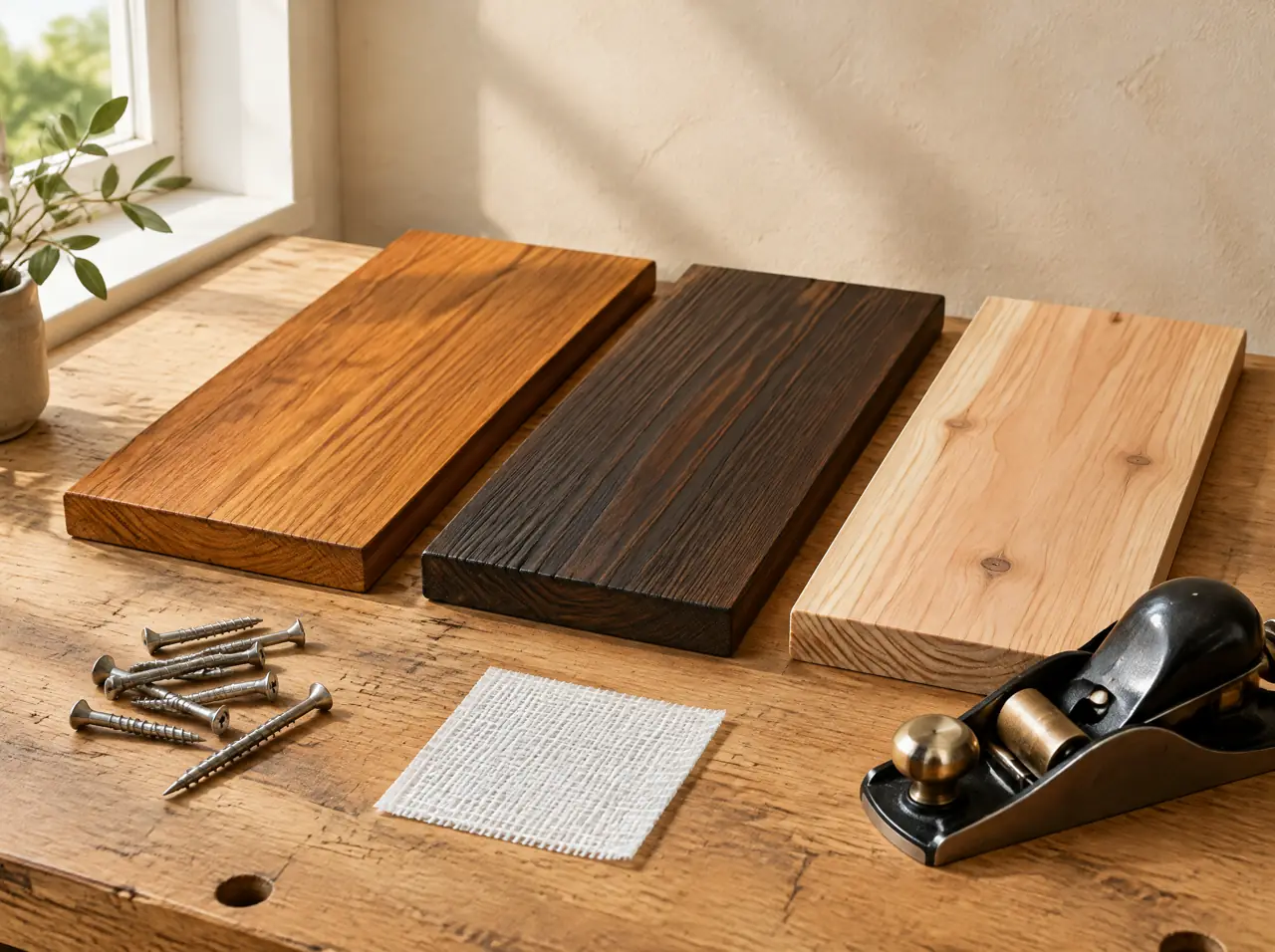
Teak or thermowood for a cold tub
What the specifications say about teak, thermally modified wood and cedar in humidity, and how we choose for each tub.
Look closerFrom note to layout
Send a photo of the view and the afternoon direction; we decide which walls get the glass
Start with a photograph
Send the corner of the garden, the terrace or the plant room you have in mind. We answer with questions first, then a layout and a range.
Open WhatsAppOr build the circuit yourself