Field note · Phuket
A cold plunge in Phuket: four heat sources, one dew point and a checklist for the office
Phuket does not heat a cold pool so much as attack it from four directions at once, then drip on it. This note names the four, explains the condensation, shows the enclosure that copes and ends with the questions to take to your local office and the prices people ask about first.
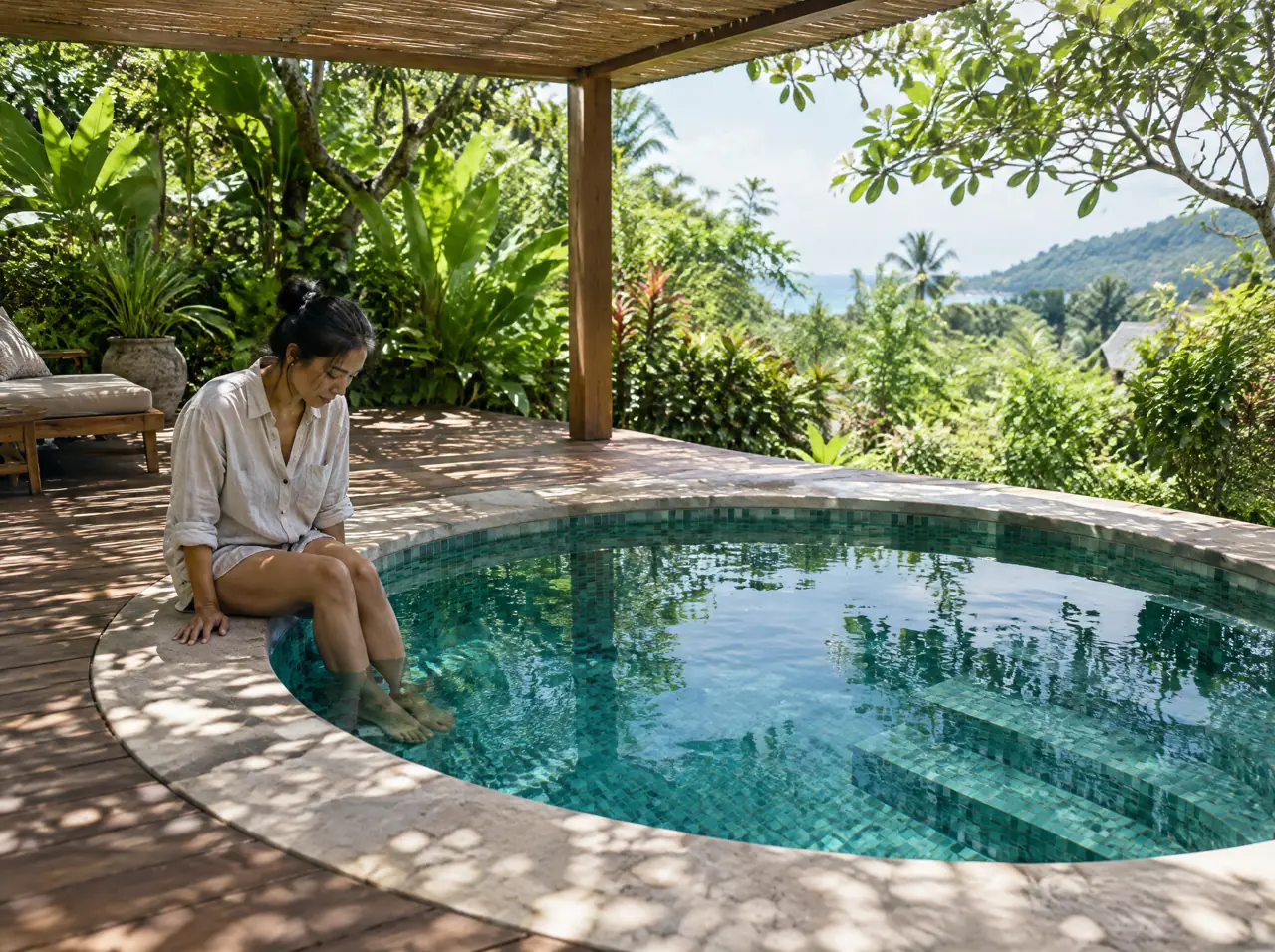
Four heat sources in one small pool
- The sun. A 1.2 m pool surface under a midday sky takes several hundred watts; March, the hottest month, averages a 34.4 °C afternoon high in Phuket (Thai Meteorological Department, 1991-2020 normals).
- The air. Warm, humid air meets the cold surface and the shell's edges. Mean humidity runs about 77 percent, and wet-season months push it above 80.
- The ground. A masonry shell sits in warm soil and warm foundations; without insulation it takes heat in all day.
- The bodies. Every bather carries about 36 °C of skin and core into the water. A villa has a few bodies a day; a resort has a queue.
Shade is the cheapest answer to the first, insulation to the third and sizing to the fourth. The chiller handles what is left, which is why a shaded pool needs a smaller unit than an exposed one. The plunge pool page and the chiller note carry the arithmetic.
The dew point: why cold things drip in Phuket
Moist air condenses on any surface colder than its dew point. At 32 °C the dew point is about 27 °C when relative humidity is 75 percent and about 28 °C at 80 percent (Magnus formula; Wikipedia's dew-point article gives the constants). Water at 4 °C, and anything cooled by it, is far below that, so every cold pipe, valve and pool edge sweats. The answer is dull and effective: closed-cell insulation with sealed joints, short pipe runs, textured coping that drains, and a condensate drain at the chiller.
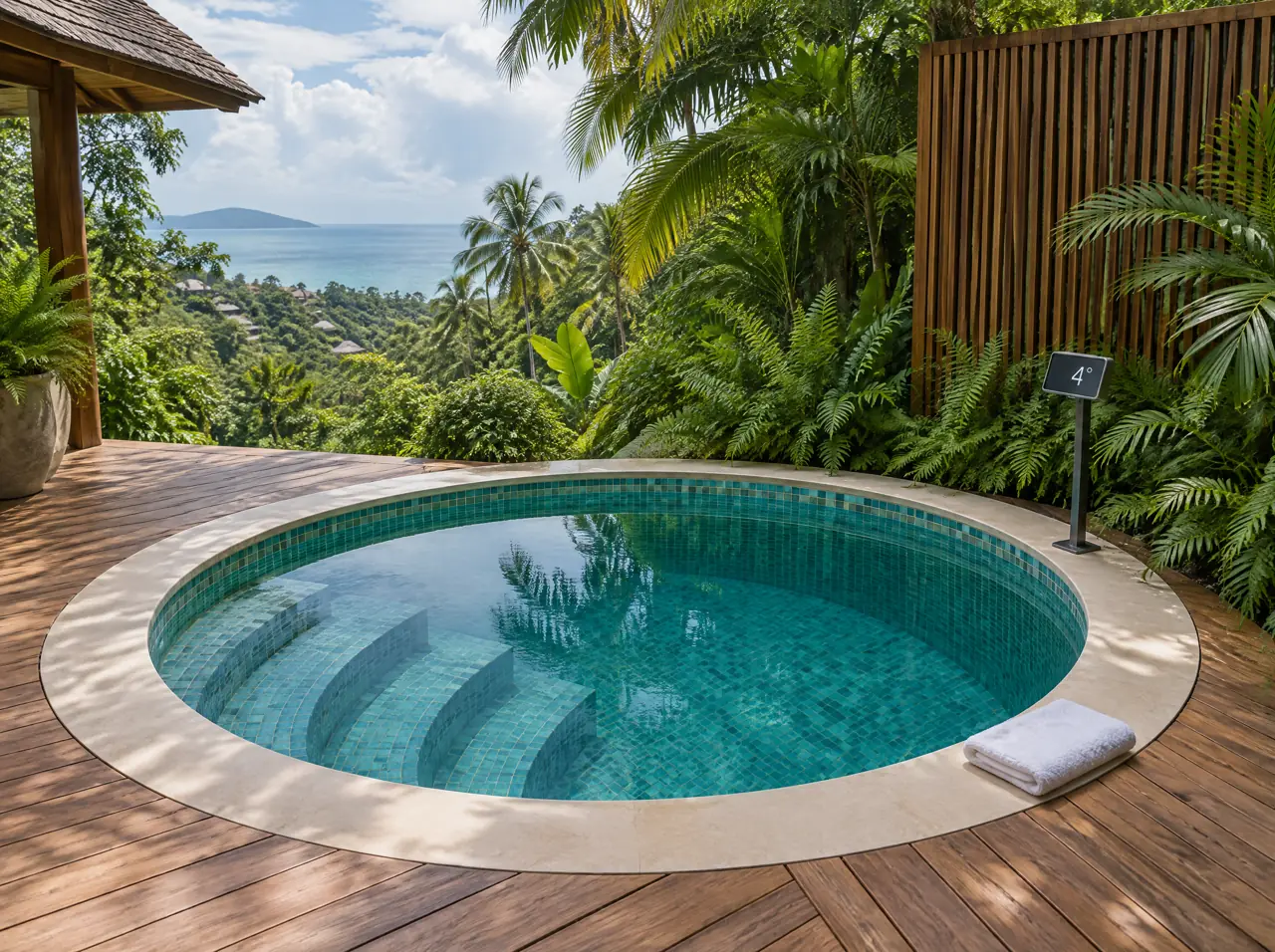
The enclosure: shade, louvre and lid
- Shade. A flat teak pergola or a cantilevered roof over the pool, leaving the cabin its view.
- A louvred niche. The chiller sits behind a teak screen with free air in and a separate exhaust out; louvres sized for the airflow.
- A fitted cover. It keeps rain, frangipani flowers and palm litter out overnight and reduces heat gain on hot days.
- An overflow route. In the south-west monsoon, September averages about 350 mm at the Phuket station; the pool's overflow must go to a drain, not onto the terrace.
A permit checklist for a Phuket plunge pool
The Building Control Act B.E. 2522 generally asks for a permit from the local officer before a building is constructed, modified or moved, with some alterations going by notification (Tilleke & Gibbins, 2025). The officer is the municipal mayor, the head of a tambon administrative organisation or, in some areas, another designated official, depending on where your plot is. We do not state whether a cabin or a pool counts as a building; that is a question for your office. Take these with you:
- Does a free-standing sauna cabin of about 2 x 1.7 m and 2.1 m high need a permit or a notification on my plot?
- Does a plunge pool of 1.2 m across and about 1,100 litres count as a pool for permit purposes?
- What are the setback and height rules from my boundary for a cabin, a pergola and a plant niche?
- If the villa is rented to guests, does adding a sauna or plunge pool change its licence or inspections? (The Hotel Act B.E. 2547 requires a licence for hotels; whether a villa rental counts is for your office.)
- Which water standard, if any, applies to a plunge pool that guests use, and who inspects it?
We bring drawings, loads and materials to that conversation. The Thailand overview lists the rules we have verified.
What a Phuket cold plunge costs, and what moves it
| Build | Indicative range |
|---|---|
| Round plunge pool, mosaic, with chiller | THB 330-590k |
| Square plunge pool, travertine edge, with chiller | THB 370-660k |
| Hot + cold duo | THB 700k-1.25M |
| Tub set: 420 L oval teak tub with a 2 HP chiller | THB 260-380k |
| Shade pergola over the pool | THB 85-180k |
Hillside access, a crane day for the plant, stone against tile and the distance from pool to plant move the number; VAT, currently 7 percent, is a separate line. See Phuket for the local calendar and the budget ranges for every component.
A year of running a Phuket plunge pool, month by month
| Months | What the weather does | What the operator does |
|---|---|---|
| December to February | dry; February averages about 24 mm of rain | the easy months: check the display, wipe the coping, keep the cover habit |
| March to April | hottest; March averages a 34.4 °C afternoon high | run the chiller early, keep the pool shaded, watch the filters in the dust and pollen |
| May to August | south-west monsoon builds; afternoon storms | cover on at night, check the overflow drain, no chemicals added before heavy rain |
| September to October | wettest; September about 350.4 mm, October about 336 mm | check surge protection and the restart after power cuts; clear the louvres |
| November | rain eases, high season begins | service visit before the busy weeks; test the display against a probe |
This is a routine, not a promise: your plot, shade and use decide the details. The handover sheet gives your housekeeping team the same table with the checks written out; the first-year service visit that comes with every build covers the plant.
What does an ice bath cost in Phuket?
A tub set (tub plus chiller) starts at THB 190-270k; a built-in plunge pool with its refrigeration is THB 330-590k to 370-660k. Prices are indicative ranges before VAT.
Will the water stay at 4 °C on a hot afternoon?
Yes, if the chiller is sized for 35 °C air and the pool is shaded and insulated. We hold 3-5 °C within ±0.3 °C and put a timer on the plant.
Do I need to cover the pool?
Yes. A cover keeps debris out, cuts heat gain and keeps the water cleaner between uses.
Can I do it myself with a portable chiller and a tub?
For a private tub with a 1 or 2 HP unit, possibly; the issues are the shade, the niche, the condensate and the power. For a pool or a rental, the built-in route is safer and easier to keep clean.
More field notes
Next in the field notes
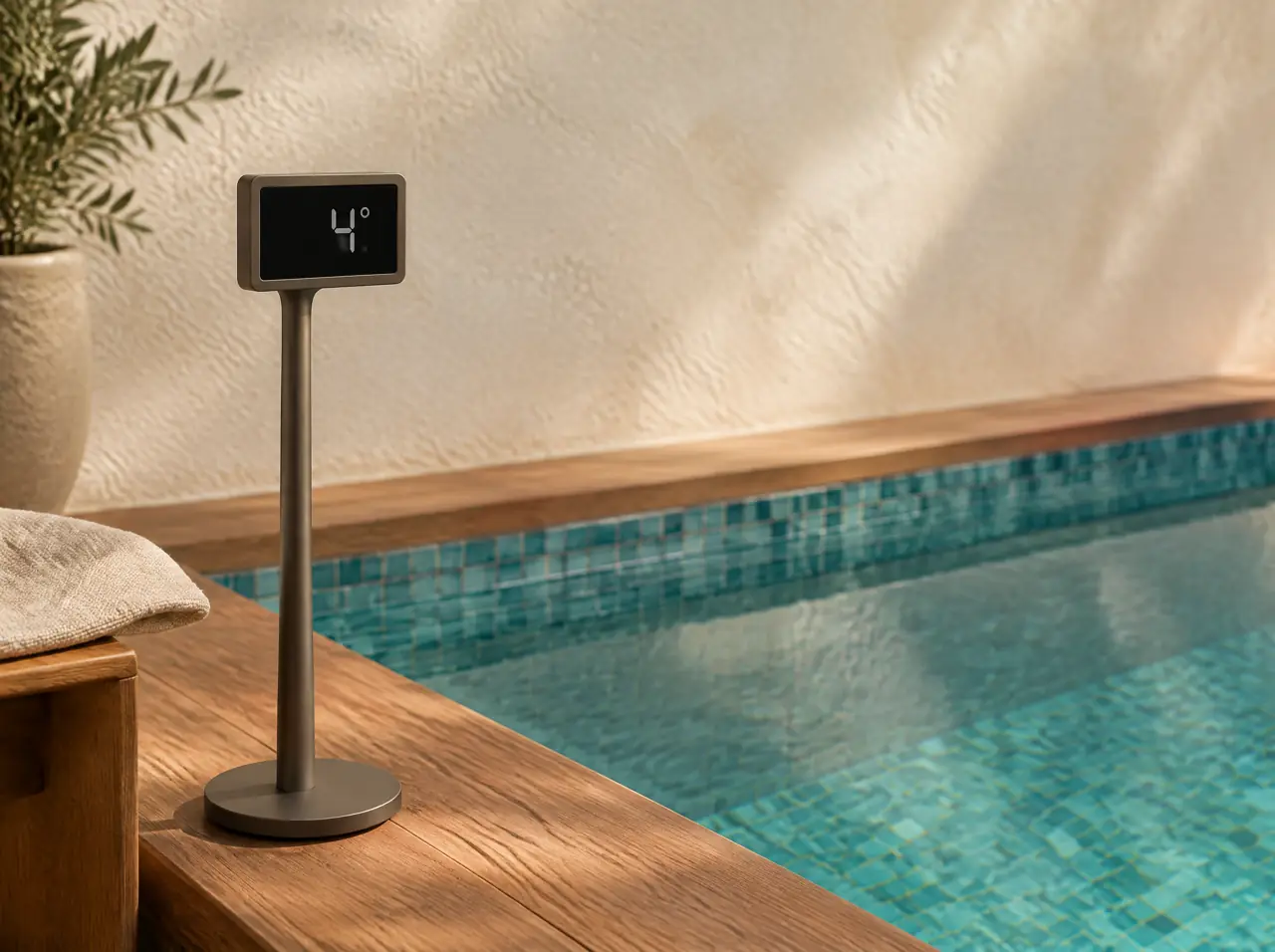
Ice bath chiller sizing and cost to run
Litres, horsepower, pull-down, noise and a worked cost-to-run example, plus five questions for any supplier.
Look closer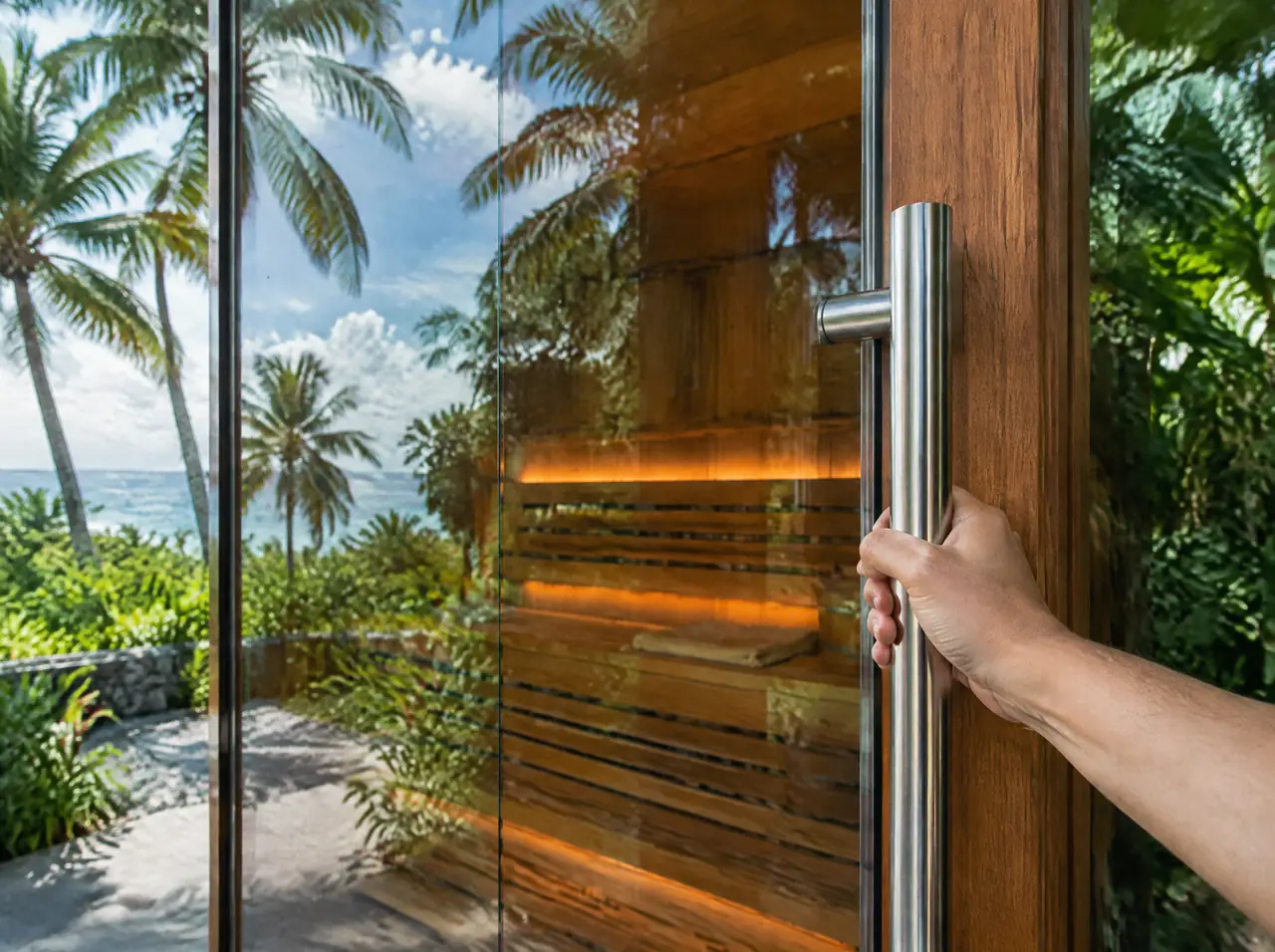
Glass saunas in the tropics
Where the sun is, what double glazing and coatings do, and which wall gets the glass: the choices that matter in Thai heat.
Look closer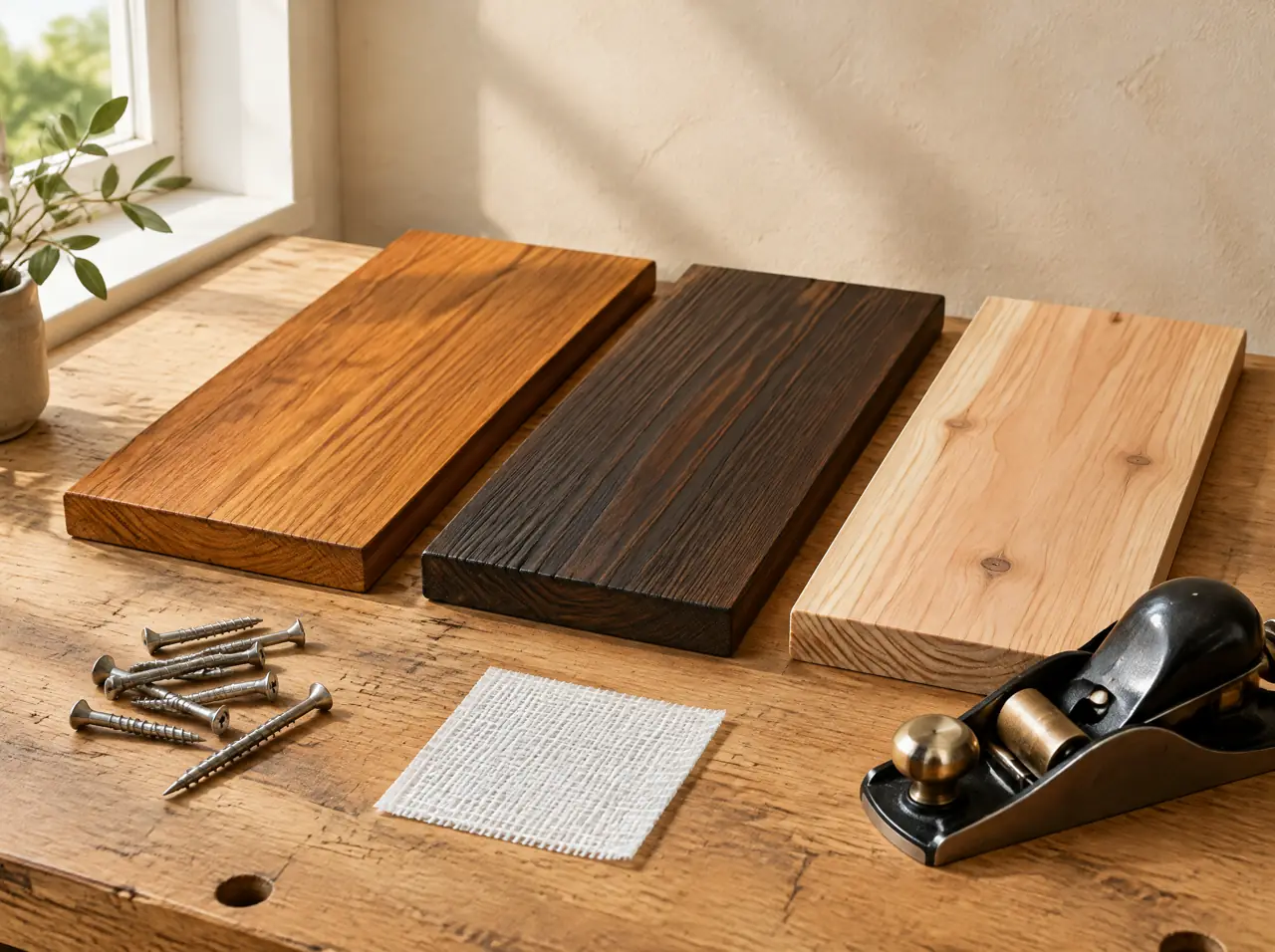
Teak or thermowood for a cold tub
What the specifications say about teak, thermally modified wood and cedar in humidity, and how we choose for each tub.
Look closerFrom note to layout
Photograph the plot and send the sun direction; we draw the pool, the shade and the plant niche for Phuket
Start with a photograph
Send the corner of the garden, the terrace or the plant room you have in mind. We answer with questions first, then a layout and a range.
Open WhatsAppOr build the circuit yourself