Field note · imports
Import duty or local assembly? How to read a sauna quote in Thailand, line by line
Buyers ask whether a Thai-assembled sauna avoids import duty. The honest answer starts with how a quote is built, because what you pay depends on the classification of each item, where it was made and who pays the customs bill. This note gives the order of charges and the questions to ask, and states no duty rate, because we could not verify one.
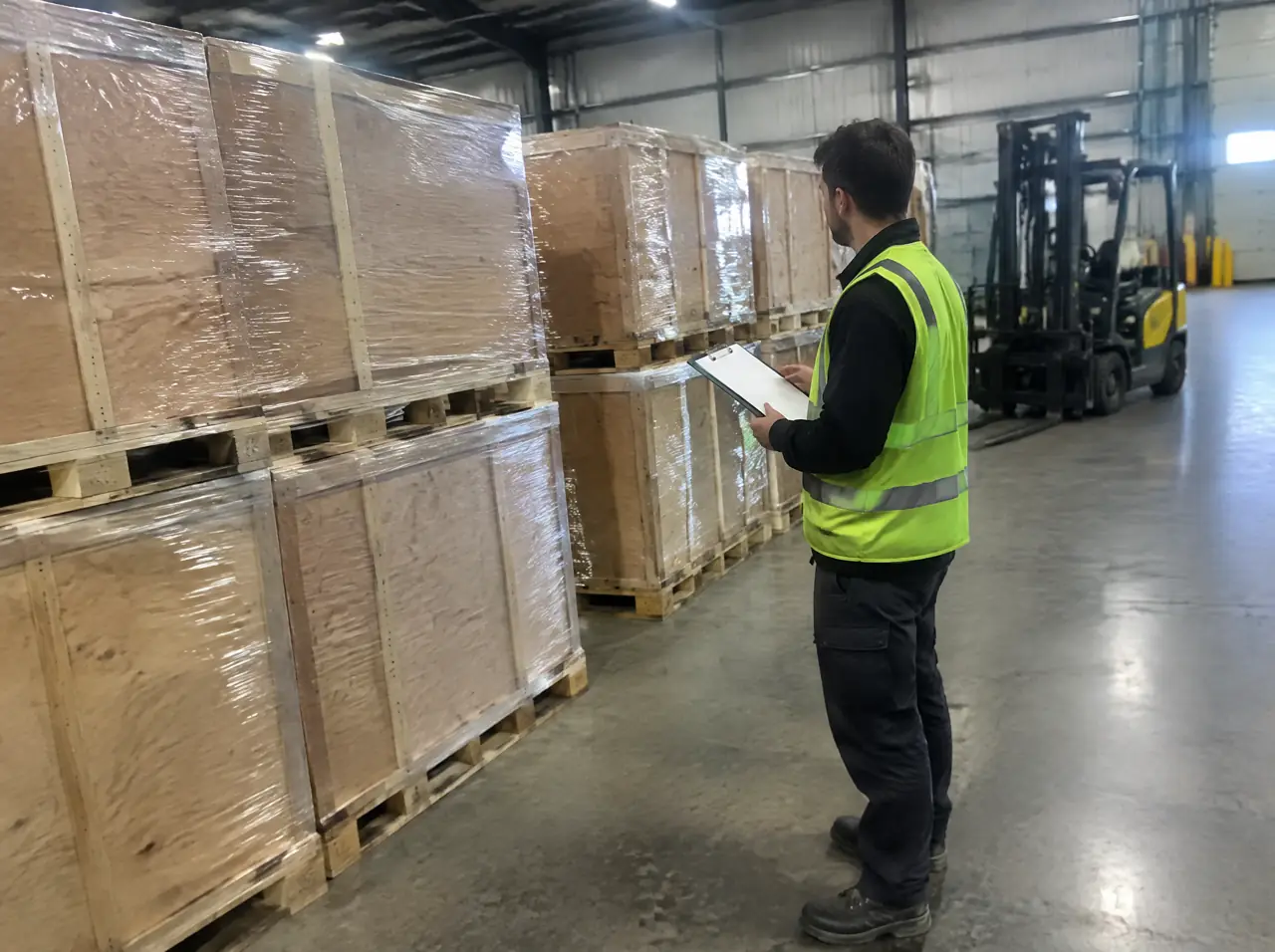
The chain of charges, in the order they arrive
- The goods price. What the equipment costs at the workshop gate (ex-works).
- Freight and insurance. Together with the goods price this makes the customs value, usually called CIF.
- Import duty. A percentage of the customs value, set by the item's customs classification and, where a trade agreement applies, its origin.
- Import VAT. Charged by Customs on the CIF value plus duty plus any excise. Thailand's statutory rate is 10 percent; the reduced rate of 7 percent applies until 30 September 2027 under Royal Decree No. 807 B.E. 2569 and covers imports (KPMG, PwC, Forvis Mazars).
- Port and clearance fees, domestic transport and any lifting.
- Installation and site works, which are not an import charge at all.
Only the third line depends on a rate we have not verified. A quote that shows one lump sum hides which line moved when the exchange rate or a decree did.
Why classification decides the duty
Customs duty attaches to the item's heading in the tariff, which Thailand builds on the ASEAN harmonised nomenclature (AHTN 2022). From US customs rulings, which bind only in the United States but show how such goods are read, the likely headings are 8516.29 for an electric sauna heater, 9406.10 for a prefabricated wooden sauna, 8418.69 for a water chiller and 7007.19 for toughened safety glass; the same ruling series classified a complete steel ice-bath tub with a built-in chiller as a bath, 7324.29. So the same project can fall under different headings depending on whether it ships as a kit of components or a finished unit. Thai Customs decides, and your customs broker can tell you whether to ask for an advance ruling on classification.
Origin, and which agreements need a certificate
Thailand has preferential tariff agreements, among them ATIGA (ASEAN), ACFTA (China), AJCEP and JTEPA (Japan), AANZFTA and TAFTA (Australia and New Zealand) and RCEP (Thai NTR, Department of Trade Negotiations). Preferential rates need an origin certificate for the goods. No EU-Thailand agreement is in force: negotiations started in 2013, paused in 2014 and resumed in 2023 (European Commission), so a heater made in the EU, Harvia's home market included, gets no EU preference. Ask your supplier where each item is made, not only where it ships from.
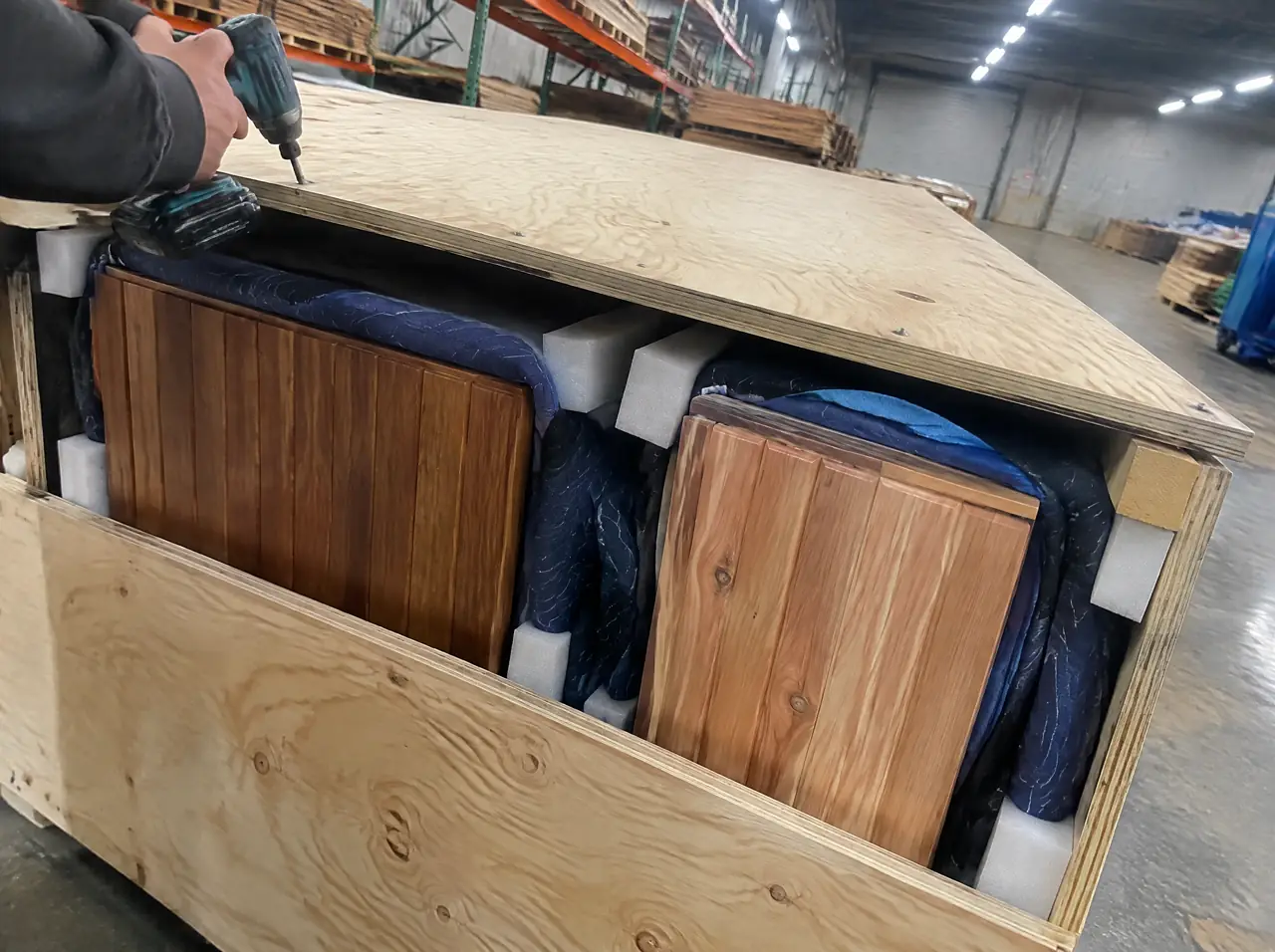
Imported kit or built in Thailand?
We do not have a Thai workshop. Cabin panels come from our own joinery, chillers from our own line and heaters from Harvia; they travel crated and are assembled on site by our installation team. Whether a kit like that is classed as components or as a prefabricated building is a customs question; whether a locally built alternative costs less depends on the maker's materials and labour, not on a tariff alone. Ask any 'locally built' supplier what is imported inside it: heaters, controllers, glass fittings and chillers often are.
A quote should look like this
| Line | What to expect |
|---|---|
| Equipment (ex-works) | a price per item, in the currency agreed |
| Freight and insurance | sea or road, port to site, with the route stated |
| Estimated import duty | marked as an estimate, with the heading used and the origin |
| Import VAT | at the rate in force, on CIF plus duty |
| Clearance and port charges | broker's fees, port handling, storage if any |
| Local transport and lifting | trucks, crane, island ferry or barge |
| Installation and site works | ours and any slab, drain or deck work |
Questions to ask any supplier
- Who is the importer of record and who pays duty and import VAT: you or the supplier?
- Is the price ex-works, delivered to the port or delivered to the site, and what does each include?
- Which customs heading is on the invoice for each item, and has the supplier or the broker checked it?
- Where is each item made, and can the supplier issue an origin certificate if an agreement applies?
- What happens to the quote if the exchange rate, the duty or VAT changes between signing and shipping?
What we do
We show freight, estimated duty and import VAT as separate lines in the quote and mark the duty as an estimate from your broker's classification. We state no duty percentage on this site, because we could not verify one. For large projects we suggest asking for an advance classification ruling before shipping. The ranges on budget ranges include a shipping allowance and are before VAT, and the Thailand overview lists the verified rules in one place.
When each charge arrives, against the 40 / 40 / 20 payments
- Signing: 40 %. Production starts; nothing has shipped, no duty is due.
- Production, 6-10 weeks. Photos at each stage; the broker begins the classification check.
- Release for shipping: second 40 %. The kit is crated and booked; freight and insurance are due.
- Clearance. Import duty and import VAT are paid to Customs by the importer of record before the goods are released; agree beforehand who that is.
- Delivery and installation, up to 7 days. Transport, any lifting and site works.
- Temperature test, last 20 %. Due only after the signed test.
A quote that lists duty and VAT as lines with a due date makes it clear who pays what and when; one that rolls them into a price makes the question surface at the port.
Does local assembly avoid import duty?
Not by itself. Duty applies to the imported items according to their classification and origin; what is made in Thailand from imported parts still contains imported parts. Ask which items are imported and how each is classified.
What is the import VAT rate?
Thailand's statutory VAT rate is 10 percent; the reduced 7 percent rate is extended to 30 September 2027 and applies to imports (KPMG and PwC summaries). Confirm the rate on the day of clearance with your broker.
Do you quote duty-paid or ex-works?
We itemise: equipment, freight and the estimated duty and VAT as separate lines, so you can see what moved. Delivered-duty-paid terms can be agreed in the contract.
Can you give me a duty percentage?
No. We could not verify a Thai rate for any of these headings, and we will not publish one we cannot source. Your customs broker can look it up from the tariff for the heading and the origin.
More field notes
Next in the field notes
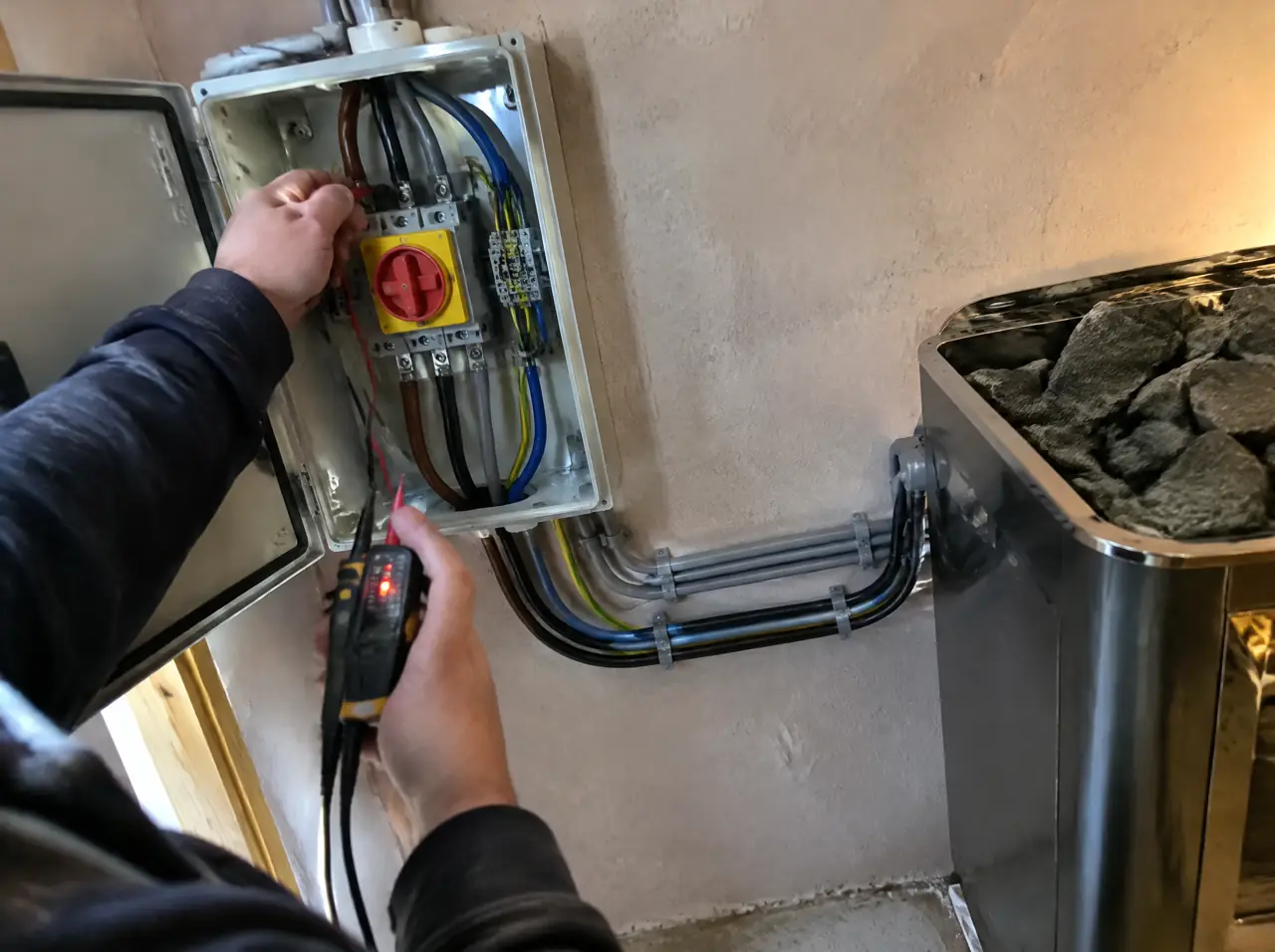
Sauna power in Thailand
Amperes by heater size, PEA meter sizes, when three-phase becomes necessary and how surges are handled.
Look closer
Ice bath chiller sizing and cost to run
Litres, horsepower, pull-down, noise and a worked cost-to-run example, plus five questions for any supplier.
Look closer
Retreat circuit design
Distances, path, edges, the order of stations and a rotation for a class of twelve: the layout rules for a retreat circuit.
Look closerFrom note to layout
Send the project and we show a quote with freight, duty and VAT as separate, labelled lines
Start with a photograph
Send the corner of the garden, the terrace or the plant room you have in mind. We answer with questions first, then a layout and a range.
Open WhatsAppOr build the circuit yourself